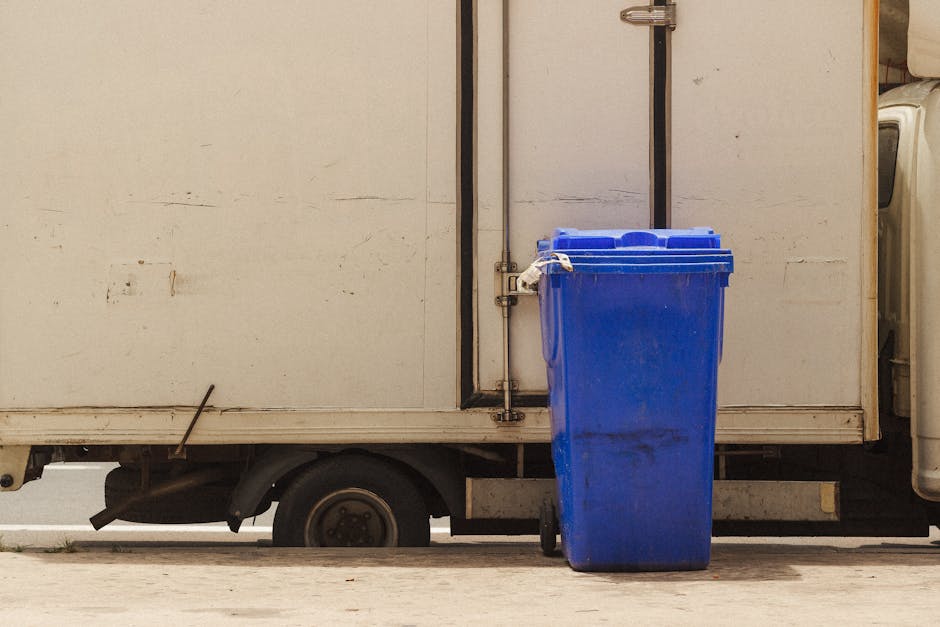
Waste disposal rules for removals in Rotherhithe and SE16

If you are planning a move in Rotherhithe or anywhere in SE16, waste disposal can be the quiet problem that causes the biggest headache. Boxes are the easy bit. The awkward chair in the hallway, the broken shelf, the old mattress, the bag of mixed rubbish in the kitchen cupboard... that is where things get messy. The good news is that the waste disposal rules for removals in Rotherhithe and SE16 are manageable once you know what belongs where, what needs special handling, and what should never be left on the pavement "just for a minute".
This guide explains the practical side of disposal during a move: how to separate waste, what removal teams can and cannot take, how to avoid fly-tipping trouble, and how to keep the process smooth in a busy London postcode. It is written for real-life moving days, not fantasy ones where every box is labelled, the lift works, and nothing leaks in the van. Let's be honest, that is rarely how it goes.
- Why waste disposal rules matter
- How waste disposal during removals works
- Key benefits of getting disposal right
- Who needs this guidance
- Step-by-step guidance
- Expert tips
- Common mistakes to avoid
- Tools, resources and recommendations
- Law, compliance and best practice
- Options and comparison table
- Real-world example
- Practical checklist
- Conclusion
- Frequently asked questions
Why Waste disposal rules for removals in Rotherhithe and SE16 Matters
Waste rules matter because a move creates more than just furniture transport. It creates packaging waste, unwanted items, broken bits, old appliances, and the occasional mystery pile that has lived behind a wardrobe since 2018. In a dense part of London like Rotherhithe, where access can be tight and streets are often busy, poor disposal choices can cause delays, complaints, extra costs, and in the worst cases enforcement issues.
There is also a simple practical reason: the cleaner and more organised the waste stream, the faster the moving day runs. A team can load keep, donate, recycle, and dispose items much more efficiently when each pile is clear. You will notice the difference immediately. The van fills in the right order, rooms empty faster, and there is less back-and-forth through stairwells or narrow landings.
For many local moves, waste control is also part of being a considerate neighbour. In SE16, blocks of flats and shared entrances mean rubbish left in the wrong place can become everybody's problem. Nobody wants to be the person who leaves an old mattress by the bin store and suddenly gets a stern note through the door. To be fair, that note is usually deserved.
If you are combining decluttering with a move, it often helps to read practical packing and sorting advice first, such as the tips in this decluttering guide and the page on packing and boxes in Rotherhithe. The more you reduce before moving day, the less waste you need to handle at the last minute.
How Waste disposal rules for removals in Rotherhithe and SE16 Works
In practice, removal-day waste management is a sorting exercise. Items usually fall into a few categories: keep, move, donate, recycle, dispose, or special handling. The disposal rules are less about one giant law and more about matching the right item to the right route. That is especially true when dealing with bulky goods, electricals, hazardous materials, and mixed household waste.
Most removal jobs work best when the client separates anything unwanted before the crew arrives. A team can then decide what can be safely loaded, what needs recycling, and what should be left behind for a licensed disposal route. If you are not sure, say so early. A quick conversation before moving day saves a lot of awkwardness at the curb.
Typical examples are simple enough:
- Cardboard and packing paper can often be flattened and separated for recycling.
- Broken household items may be taken as general waste if they are safe to handle.
- White goods like fridges and freezers need careful handling because of weight and possible residue.
- Mattresses and sofas are bulky and may require specific disposal arrangements.
- Paint, chemicals, fuels, and other hazardous materials need special consideration and should not be treated like normal rubbish.
Moving-day planning also overlaps with access and timing. If your building has limited parking or narrow loading points, the disposal pile should be ready before the vehicle arrives. The local logistics matter just as much as the waste itself. For a better picture of that side of things, the guides on parking rules for removals and permits and fines in Rotherhithe are worth a look.
And yes, the words "waste disposal" sound dry. But on moving day, dry is good. Dry means no leaks in the stairwell, no surprise smells from an old freezer, and no frantic bin searches at 7:30 in the evening.
Key Benefits and Practical Advantages
Getting disposal right is not just about staying tidy. It improves the entire move.
First, it saves time. A sorted property is quicker to clear. When items are already separated, the team spends less time deciding what stays and what goes. That means a smoother load, fewer decisions under pressure, and less chance of something important being mistaken for rubbish.
Second, it reduces risk. Heavy waste, glass, old screws, and damaged furniture can cause injuries if handled carelessly. Good disposal habits make the job safer for everyone. If you are dealing with awkward lifting too, there is helpful context in this guide to solo heavy lifting, though for larger items it is wiser to use a proper team.
Third, it lowers stress. A move is already noisy, rushed, and full of little decisions. Knowing what happens to unwanted items removes one major uncertainty. That is worth a lot, honestly.
Fourth, it supports better recycling and reuse. Some items are worth keeping in circulation rather than sending to disposal. A service-minded move treats usable goods differently from broken waste. It is more practical, and usually more responsible too.
Fifth, it helps avoid local problems. In a place like Rotherhithe, where streets, estates, and apartment blocks can have strict shared spaces, leaving waste in the wrong place can affect neighbours, site management, and your own schedule. That is the sort of small issue that can snowball into a very annoying afternoon.
| Approach | Best for | Main benefit | Main caution |
|---|---|---|---|
| Keep and move | Items still needed at the destination | Protects valuable belongings | Needs good packing and labelling |
| Donate or pass on | Usable furniture and household goods | Reduces waste and clutter | Requires items to be clean and presentable |
| Recycle | Cardboard, metal, some appliances, mixed recyclables | Less landfill waste | Items must be separated correctly |
| Dispose as waste | Broken, unusable or contaminated items | Clears the property quickly | Must be handled lawfully and safely |
Who This Is For and When It Makes Sense
This guidance is useful for almost anyone moving in SE16, but a few groups need it especially:
- House movers clearing years of accumulated household items.
- Flat movers dealing with tight access, lift restrictions, and shared bins.
- Students who need to clear a room fast without leaving a mess behind.
- Office movers handling desk waste, boxes, old files, and e-waste.
- People moving at short notice who do not have time for multiple disposal trips.
- Anyone decluttering before sale or letting and wanting the property presentable.
If you are moving from a flat with limited storage, the challenge is often not the furniture itself but the miscellany: bags of old bedding, lamps, packaging, cables, and things you forgot existed. In that sort of move, services like flat removals in Rotherhithe or student removals in Rotherhithe can be helpful because they are used to working around compact spaces and quick turnarounds.
It also makes sense when the move is part of a larger reset. Maybe you are not just changing address. Maybe you are clearing a room for a baby, converting a spare bedroom into an office, or finally saying goodbye to the sofa that has seen better decades. There is no need to romanticise the old sofa. If it is sagging and smells faintly of damp, it can go.
Step-by-Step Guidance
The easiest way to handle disposal is to work through the move in stages rather than trying to do everything on the last night. A simple process keeps things under control.
- Walk through each room. Make a quick list of what is staying, what is leaving, and what is uncertain.
- Separate materials. Put cardboard, soft plastics, general rubbish, and bulky items into different piles if possible.
- Identify special items. Check for anything hazardous, wet, sharp, or unusually heavy.
- Decide reuse versus disposal. If an item is clean and usable, donation or resale may make more sense than dumping it.
- Pack disposal items safely. Tape up sharp edges, bag loose waste, and keep liquids sealed.
- Tell your removals team early. The crew needs to know what is going on the van and what is being left for disposal.
- Keep access clear. Don't block hallways or exits with mixed piles. It slows everything down and creates trip hazards.
- Do a final sweep. Check cupboards, under beds, loft corners, and behind doors before the vehicle leaves.
One small but important point: do not leave a "maybe" pile. Maybe piles become nightmare piles. A question I ask clients all the time is, "Will you genuinely use this again in the next 12 months?" If the answer is no and the item has no resale value, you probably already know the answer.
For a smoother pre-move cleanout, some people pair this process with advice from spotless-home-before-you-move guidance and packing like a pro. Those two together can make the disposal stage feel less chaotic.
Expert Tips for Better Results
These are the small habits that make a noticeable difference in real moves.
Use a colour-code system. Even simple tape colours can help: one colour for keep, one for recycle, one for dispose. It sounds basic, but after an hour of lifting and label-reading, basic is beautiful.
Keep a separate bag for loose screws and fittings. They are not waste if they belong to furniture you are keeping. Put them in a clearly marked pouch so you do not throw away something you will need later.
Do the disposal sort before the van arrives. If you wait until the crew is already outside, decisions get rushed. Rushed decisions turn into errors.
Check appliance condition early. Fridges, freezers, washing machines, and dishwashers often need more preparation than expected. If you are storing or moving an appliance, the guidance in storing dormant freezers safely can be useful, because appliance care and disposal often overlap.
Don't overfill black bags. Overpacked bags split at exactly the wrong moment. Usually on stairs. Usually when you are already tired.
Be cautious with old mattresses and soft furnishings. They are bulky, awkward, and not fun to drag through a block at 8 a.m. Make sure they are planned for rather than improvised.
Ask about service boundaries. If you want disposal help as part of a removals booking, confirm what is included before the day. A good team will be clear about what they can load and how mixed waste is handled. If you want to compare support options, the pages on removal services in Rotherhithe and removal companies in Rotherhithe are a sensible starting point.
Common Mistakes to Avoid
The same disposal mistakes crop up again and again. The good news is they are easy to avoid once you know them.
- Mixing all waste together. Cardboard, food waste, broken furniture, and cables should not be shoved into one pile and hoped for the best.
- Leaving disposal until the last hour. That is when mistakes happen and stress spikes.
- Assuming everything can go in the van. Some items need separate handling or may be restricted altogether.
- Putting waste in shared areas. Common hallways, bin stores, and pavements are not storage spaces.
- Forgetting about liquids and residues. Leaking cleaners, paint, or oily containers create mess and risk.
- Ignoring access rules. If your building or street has parking constraints, your disposal plan needs to fit around that.
- Not checking item condition. A broken item may seem harmless until it scratches a floor or tears a bag.
There is also an emotional mistake: keeping too much "just in case". Truth be told, a move is often the cleanest opportunity you will get for years. If you have not used something since the last address, do you really want to carry it again?
For more local moving context, it helps to understand common logistical headaches like the ones discussed in flats with no lift and common man-and-van booking mistakes.
Tools, Resources and Recommendations
You do not need fancy equipment for most home disposal jobs, but a few practical tools make a big difference.
- Marker pens and labels for clear sorting.
- Strong rubble sacks or refuse bags for heavier waste.
- Box cutter and tape for flattening and bundling cardboard.
- Gloves for handling rough edges, dust, and old packaging.
- Blankets or wraps for items with sharp corners that might damage walls or floors.
- A simple checklist for the final room-by-room sweep.
For local moving support, it helps to use services that understand both transport and sustainability. The page on recycling and sustainability is relevant if you want a greener approach to removals. If your move needs storage while you sort through items, storage in Rotherhithe may buy you extra time, which is sometimes the difference between a rushed disposal and a sensible one.
And if you are still deciding how much help you want, the services overview and pricing and quotes pages can help you compare options without overcomplicating things.
Law, Compliance, Standards, or Best Practice
Waste disposal during removals sits within standard UK expectations around lawful handling, safe transport, and responsible disposal. I'm keeping this plain-English on purpose, because the practical reality matters more than legal jargon on moving day.
At a minimum, you should follow these principles:
- Do not fly-tip. Leaving waste in an unauthorised place is risky and can create enforcement problems.
- Use proper disposal routes. Bulky waste, electrical items, and special materials should be dealt with through appropriate channels.
- Separate hazardous items. Anything that could leak, burn, or cause harm should not be mixed with ordinary household waste.
- Be honest about item condition. A removals team needs accurate information to work safely.
- Follow building and estate rules. Communal spaces, loading areas, and bin stores often have their own expectations.
For removal businesses, good practice also includes sensible handling, clear communication, and attention to safety policy. If you want to understand how a professional team thinks about these responsibilities, the pages on health and safety policy, insurance and safety, and terms and conditions are useful supporting reads.
In practice, compliance is mostly common sense with a few non-negotiables. Keep waste out of the public way, keep dangerous items separate, and keep the removal day organised. It sounds simple because it is. The tricky part is doing it under time pressure.
Options, Methods, or Comparison Table
There is more than one way to handle unwanted items during a move, and each has a different balance of speed, effort, and responsibility.
| Method | Speed | Effort | Best use case | Watch out for |
|---|---|---|---|---|
| Self-sorting and council-style disposal | Moderate | High | Small amounts of well-separated waste | Time, lifting, multiple trips |
| Donation or resale first | Slow to moderate | Moderate | Good-quality furniture and usable goods | Coordination and timing |
| Removal team handling mixed items | Fast | Low to moderate | Busy moves with bulky waste and furniture | Need clear instructions before the move |
| Storage first, sort later | Fast on move day | Moderate now, lower later | When you need more thinking time | Extra cost and a second decision later |
For many Rotherhithe households, the best approach is a blend: reuse what can be reused, recycle the obvious material, and let a removal team take care of the heavy or awkward remainder. It is tidy, efficient, and less exhausting. Nobody needs to make six trips with half-assembled furniture on a wet afternoon.
Case Study or Real-World Example
A typical SE16 flat move might look like this. The client has a two-bedroom apartment near the river, one lift that works but is small, and a storage cupboard that has quietly become a graveyard for broken hangers, old packaging, a cracked bedside table, and two bags of mixed household waste. There is also a mattress, a disassembled desk, and a stack of cardboard boxes from new appliances.
Instead of piling everything into one room, the client sorts items the day before:
- Cardboard is flattened and stacked separately.
- Reusable items are grouped for donation.
- The broken table and damaged shelving are set aside for disposal.
- Loose screws and fittings are bagged and labelled.
- The mattress is cleared from the route so it does not block the hallway.
On moving day, the removal team loads the keep items first, then the disposal pile last. The difference is obvious: fewer questions, less clutter in the corridor, and no frantic decisions at the lift. The whole job feels calmer, and the property is left in a better state. That is usually the real goal, isn't it? Not just moving out, but moving out without drama.
That same kind of planning works just as well for heavier items, like a sofa or piano. If your move includes specialist pieces, the pages on furniture removals in Rotherhithe and piano removals in Rotherhithe are useful because special items need more care than standard boxes.
Practical Checklist
Use this before the removals team arrives.
- Sort every room into keep, donate, recycle, dispose, and unsure.
- Flatten cardboard and remove loose packing material.
- Check drawers, cupboards, under beds, and behind furniture.
- Bag loose waste securely.
- Keep sharp or broken items wrapped safely.
- Separate liquids, chemicals, and anything that may leak.
- Confirm what the removals team is taking and what they are not.
- Make sure hallways and entrances are clear.
- Check building or estate rules for waste placement.
- Do one final sweep before the van departs.
Expert summary: The easiest removal jobs are not the ones with the least stuff. They are the ones where the stuff is sorted early, the waste is separated properly, and everyone knows what is happening before the first box moves.
For help planning the move itself, it can be useful to look at house removals in Rotherhithe, man and van in Rotherhithe, or same day removals in Rotherhithe if your timeline is tight. The key is to match the service to the mess, not the other way around.
And if you want a smoother handover from start to finish, the guidance on packing your items and waiting for collection and delivery at the best time for you can help you keep the day structured rather than chaotic.
Conclusion
Waste disposal rules for removals in Rotherhithe and SE16 are not there to make moving harder. They exist to keep streets, estates, and homes safer and cleaner, while helping the move itself run properly. Once you break the job into categories and handle bulky, hazardous, and recyclable items separately, things become much more manageable.
The real trick is to start earlier than you think you need to. Sort before the van arrives. Label before the boxes stack up. Ask questions before the pressure builds. That is what keeps a move from turning into a long, noisy scramble down the stairs.
One last thing: you do not need to get everything perfect. Just get it organised enough to move well. That alone makes a huge difference, and it gives you a calmer start in the new place.
Get a free quote today and see how much you can save.
And if you want to talk through your move in a straightforward way, start with the team via the contact page. Sometimes a five-minute conversation saves an entire afternoon.
Frequently Asked Questions
What are the waste disposal rules for removals in Rotherhithe and SE16?
They are the practical rules for separating, handling, and disposing of unwanted items during a move. The main idea is to keep recyclable items separate, treat hazardous materials carefully, and avoid leaving waste in shared or public spaces.
Can a removals team take my rubbish away on moving day?
Sometimes, yes, but only if the service and item type are suitable. It is best to confirm in advance exactly what the team can load, especially for bulky waste, old appliances, or anything hazardous.
What should I do with cardboard boxes after packing?
Flatten them and keep them separate from general rubbish if possible. Cardboard is far easier to manage when bundled neatly, and it takes up far less room in the van or at the property.
Are old sofas and mattresses treated as normal waste?
Not really. They are bulky items and often need specific handling. They can be disposed of, but they should be planned for rather than left as an afterthought on the day.
Can I leave waste by the bins in my block?
Only if your building or estate rules allow it. In many shared properties, leaving items near bins or in communal areas can cause complaints and may not be acceptable.
What items are most likely to cause problems during disposal?
Liquids, chemicals, damaged glass, old electronics, fridges, freezers, and heavily soiled items tend to need extra care. These are the ones worth separating early.
Is it better to recycle or dispose of everything at once?
Recycling is better where it is suitable, but not everything can be recycled. The smartest approach is to sort items properly and use the right route for each category rather than forcing everything into one pile.
How far in advance should I sort waste before moving?
Ideally a few days before the move, or even earlier if the property has a lot of clutter. Early sorting gives you time to decide what stays, what goes, and what needs special handling.
Do I need to tell the removals company about waste in advance?
Yes, absolutely. The team needs to know about bulky waste, awkward furniture, broken items, and anything that may need separate handling. Surprises slow the day down.
What if I am moving from a flat with no lift?
Then waste planning becomes even more important. In stair-heavy moves, keeping disposal piles sorted and ready helps avoid repeated lifting and reduces the chance of damage or injury.
Can waste disposal be combined with packing help or storage?
Yes, and in many cases that is the most efficient option. If you need more time to sort belongings, storage can help; if you want the move to stay organised, packing support can make a big difference.
How do I choose the right removals service for a disposal-heavy move?
Look for a service that can handle both transport and practical sorting, and be clear about access, item types, and timing. If you need a more tailored setup, compare services and quotes before committing.
What should I do if I am unsure whether an item can be moved or disposed of?
Ask before the moving day. That is the safest and least stressful option. A quick check early on is much better than making a rushed decision when the van is already outside.
How can I make the process less stressful overall?
Sort early, label clearly, keep walkways clear, and use the right support for heavy or awkward items. Simple habits like that make the whole move feel more controlled, and a bit less like a small storm has blown through the flat.